Gear
Rash guards for no-gi training
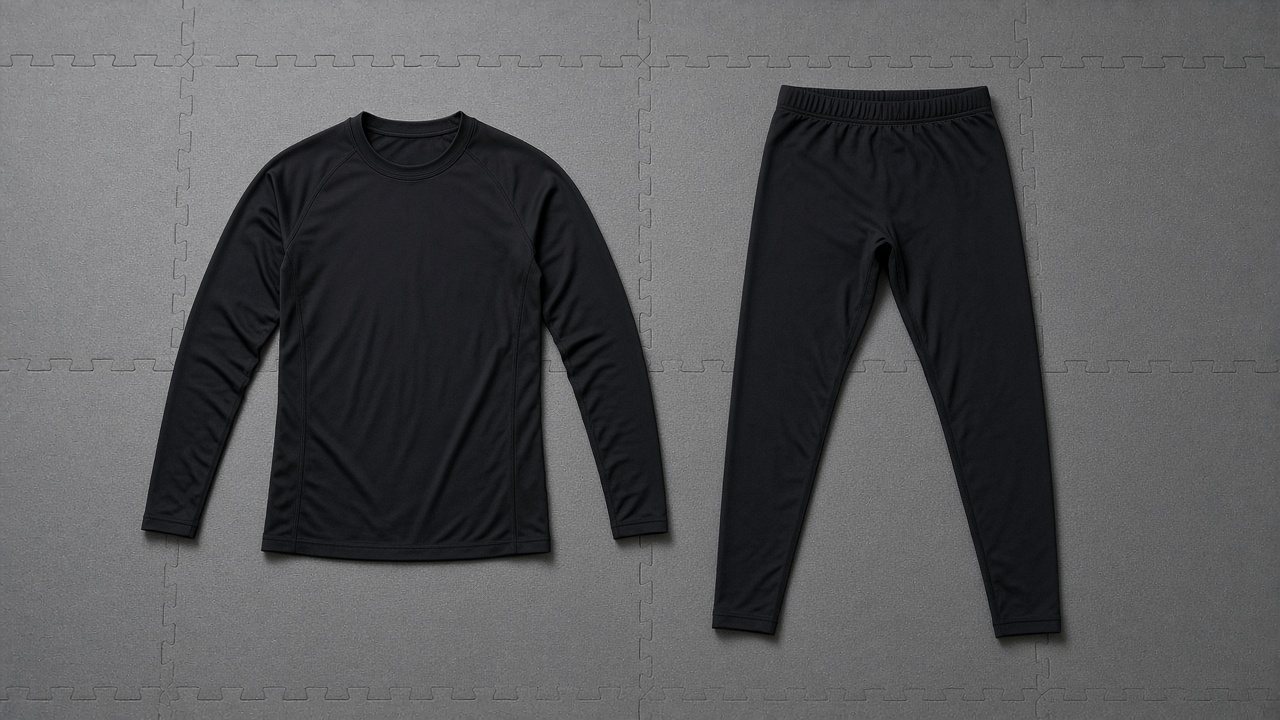
Image: generated for this site with AI; it does not show a real product, brand, or person.
A rash guard is a close-fitting athletic shirt, usually stretchy synthetic fabric. In no-gi jiu-jitsu it is the standard top, and some people also wear one under a gi. The point is simple: a shirt that stays in place, with no loose fabric, zippers, or pockets to snag fingers and toes.
This is a buying guide from published rules and seller listings, not a review. This site has not worn or washed these shirts and does not rank them.
Some links on this page go to example products on Amazon. As an Amazon Associate I earn from qualifying purchases. These are examples drawn from seller listings, not reviews, and not a claim that any product is best. Check the seller’s current size, price, and return policy before you buy.
What to look for
- A snug, even fit. It should not ride up when you reach or bridge. Use the seller’s size chart, and compare chest and length numbers to a shirt you already like.
- Sleeve length. Long sleeves cover more skin, which some people prefer for mat contact. Short sleeves are cooler. Both are common; neither is “right.”
- Flat seams and no hardware. Avoid zippers, pockets, and anything stiff that could catch a finger.
- A color your school allows. If you compete, the IBJJF has rules by belt color.
- Fabric care. Synthetic stretch fabrics are generally washed and air-dried, but follow the label.
Competition color rules
IBJJF’s current uniform page says no-gi shirts must be elastic and skin-tight, long enough to cover the torso to the waistband of the shorts, and black, white, or black and white, with at least 10% of the wearer’s belt color — or a shirt fully in belt color. The IBJJF has also published wording for its 2027 rule book that changes these color rules by belt (for example, white belts: predominantly white, with black as the only secondary color). Those are tournament rules for IBJJF events only. At a regular class, ask your coach, because many schools only ask for something clean and snug without zippers.
Gi or no-gi?
Whether you need a rash guard at all depends on what your school teaches. Some schools teach mostly gi, some mostly no-gi, and many teach both. Ask which classes you will attend before buying a gi and a no-gi kit. Under a gi, the IBJJF requires women to wear a stretchy shirt beneath the jacket in competition, while men may not wear a shirt under the jacket in competition — a competition rule, not a training rule.
Examples from current listings
These are example listings that were in stock when this page was written. Each link opens one size and color.
Venum Contender long-sleeve rashguard (men’s)
Listed as a long-sleeve rashguard for men from a combat-sports brand. Check the size chart on the page.
View on AmazonLAFROI men’s long-sleeve baselayer rash guard
The seller lists a long-sleeve compression-style baselayer with “UPF 50+” sun protection. Sun protection is not something you need indoors, so treat it as a marketing line, not a reason to buy.
View on AmazonGold BJJ Foundation women’s rash guard
Listed for both no-gi and gi use, in women’s cuts. Women’s sizing differs from men’s, so use the seller’s chart.
View on AmazonWashing
The CDC’s advice for athletes is to wash and fully dry the clothes you train in after each use, and to avoid sharing clothing. A rash guard that stays damp in a bag is a poor idea. Hang or lay it flat when you get home, and wash it before the next class.
Sources
- IBJJF — Uniform. Official gi and no-gi uniform requirements for IBJJF events (gi colors, fabric, belt, no-gi shirts and shorts).
- IBJJF — Rule Changes 2027. Announced 2027 wording for no-gi shirts and shorts.
- CDC — MRSA prevention and control for athletes. Hygiene, washing and drying uniforms, not sharing personal items, covering cuts.
- American Academy of Dermatology — How to prevent skin conditions in athletes. Wash clothes and sports bags, disinfect equipment, check skin regularly.